
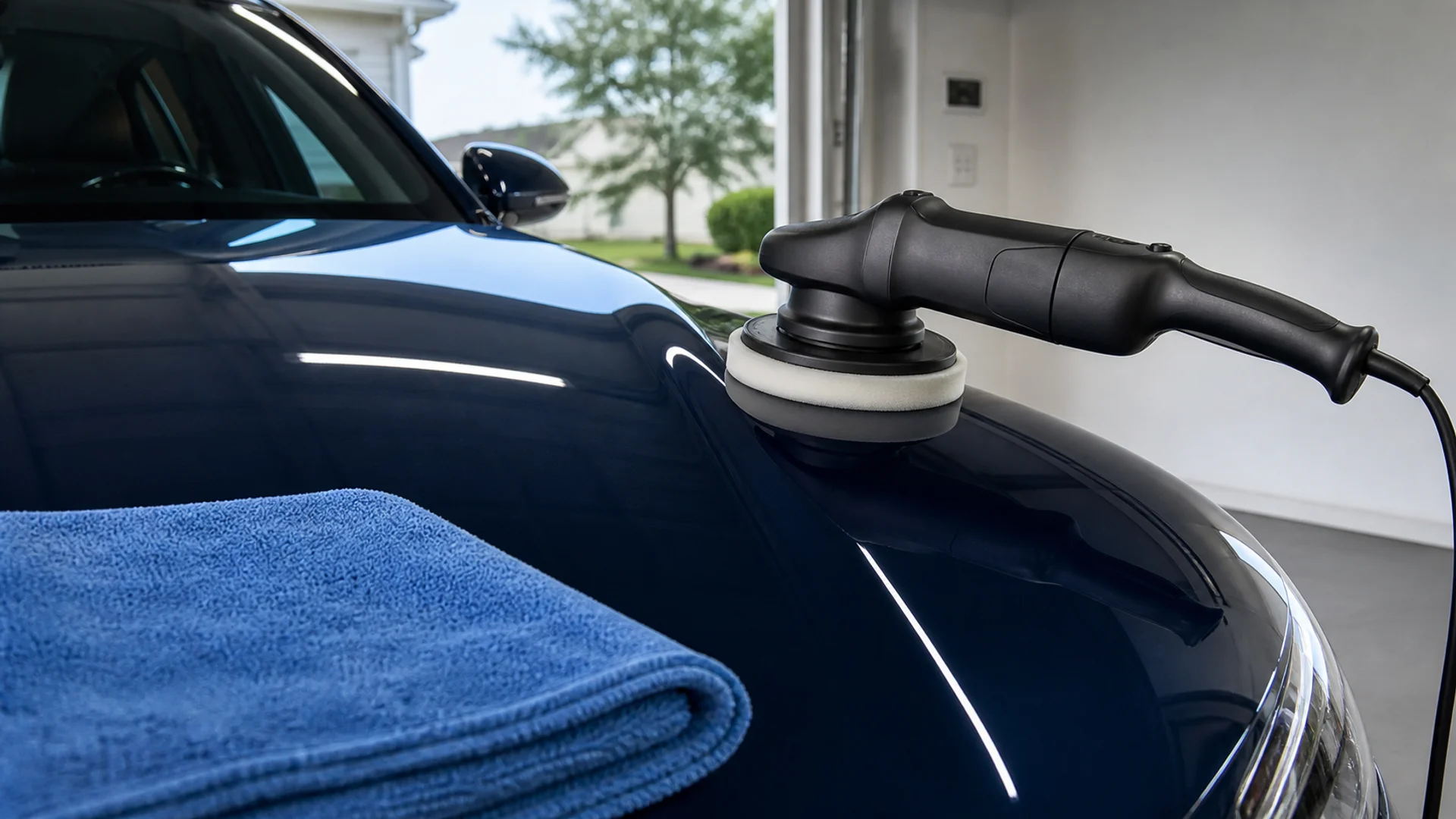
Swirl marks. Haze. Paint clarity.
Paint Correction in Ontario, CA
Target visible swirl marks and dullness with an approach that respects the condition of the existing finish.
Paint Correction · the details
Assess the defects before polishing Ontario paint
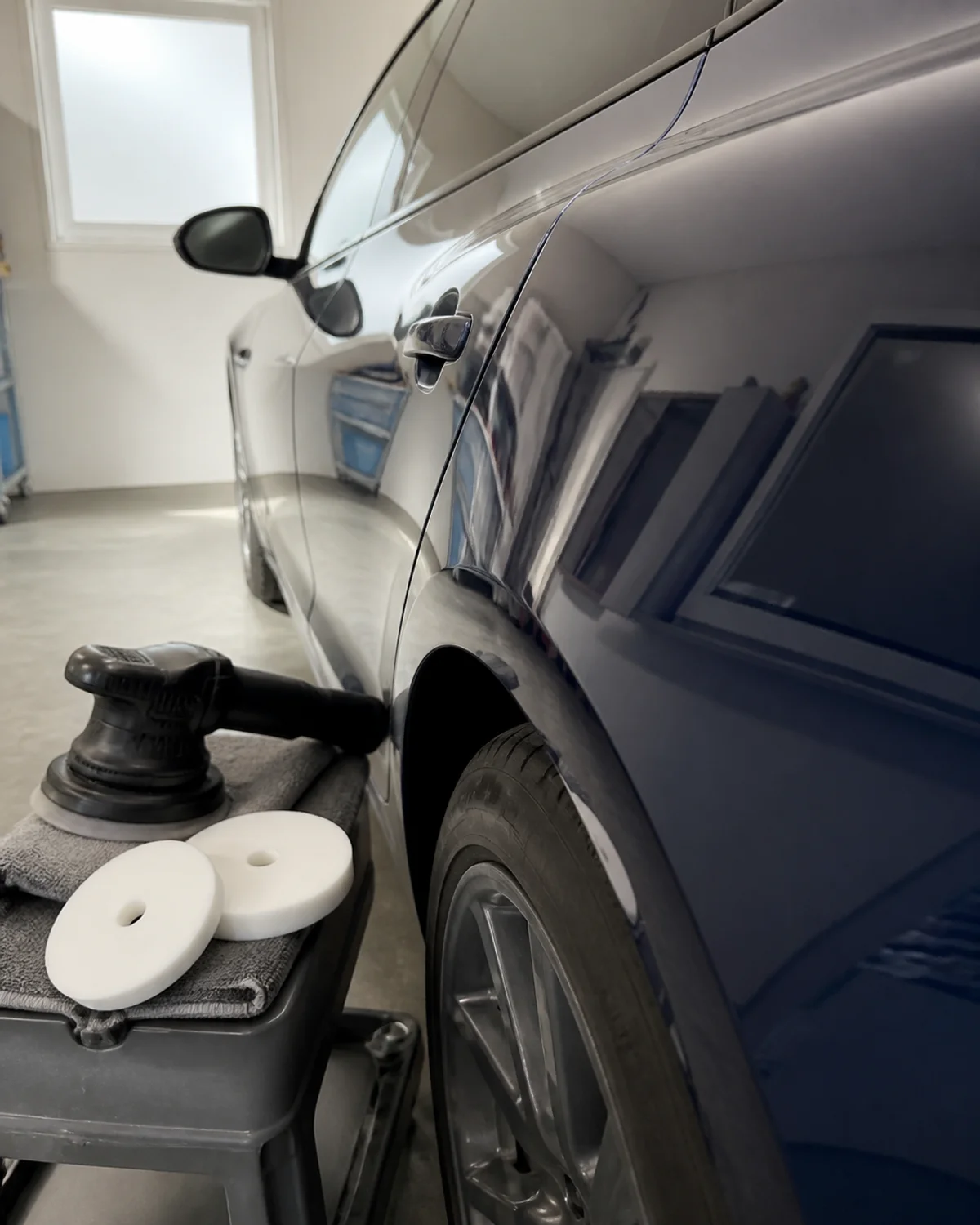
Swirl marks often become easier to see in direct light, even when a vehicle has just been washed. Paint correction focuses on refining those visible defects rather than covering them with a quick shine. The first conversation should cover the car’s paint history, any previous polishing and what bothers you most when you look at the surface.
The process typically involves cleaning, preparing and inspecting the paint before selecting a polishing approach. A test area can help establish what improvement is realistic. Clear coat has limits, and deep scratches or failing paint may need repair beyond detailing. Ontario’s bright outdoor light is useful for spotting defects, while suitable shade helps with the actual work.
- Paint condition assessment
- Swirl mark evaluation
- Surface preparation
- Car polishing
- Finish clarity review
- Protection options discussion
Paint Correction · common concerns
Paint defects to discuss before correction
-
Circular marks visible in sunlight
Wash-related swirls can scatter reflected light and make an otherwise clean painted surface appear dull.
-
Haze across a glossy panel
A paint assessment helps separate surface contamination from defects that may respond to polishing.
-
A scratch that catches attention
Depth matters; a conspicuous scratch may extend beyond what conservative paint correction can address.
-
Previous polishing or repainting
Knowing the finish history helps guide the discussion and avoid unrealistic expectations about further correction.
Paint Correction · four steps
How we approach paint correction
The work is scoped for the condition found on your vehicle.
-
Review paint history and goals
Describe previous repairs, known polishing and which panels show the most noticeable defects.
-
Prepare and inspect the finish
Cleaning and preparation allow a clearer view of the actual paint surface and its limitations.
-
Refine with a suitable approach
Assess a test area and discuss the level of polishing appropriate to the finish.
-
Check clarity and discuss protection
Inspect the result under useful lighting and consider waxing or coating as a separate next step.
Paint Correction · local considerations
Correction choices for an inland California finish
Ontario sunlight reveals swirls
Bright inland light can make circular marks obvious; inspect concerns before choosing a correction scope.
Dust and contact marks
Dry-wind grit can contribute to marring when it is rubbed across an unwashed painted surface.
Clear coat has a limit
Correction should respect the available finish rather than pursue every visible defect at any cost.
Photos before the appointment
Clear images of the affected panel help explain concerns, although they cannot replace an in-person assessment.
A clean start for protection
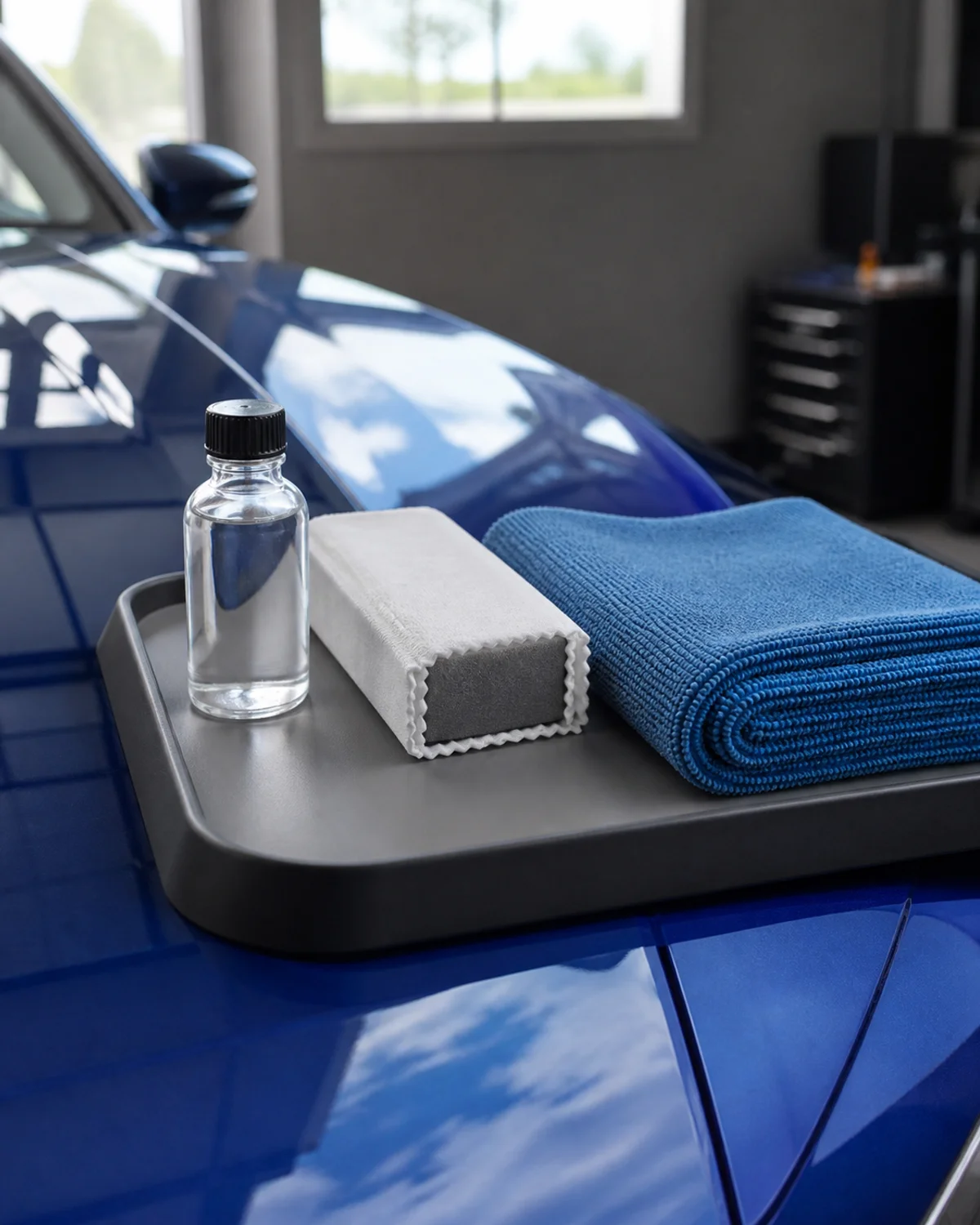
A refined surface may suit later coating, but correction and protection should be scoped separately.
A sheltered working location
A suitable workspace matters when assessing reflection, managing dust and carrying out careful polishing.
Paint Correction · useful answers
Questions about paint correction
Not necessarily. A scratch through the clear coat or into a deeper layer may be outside the limits of detailing. Correction should preserve the finish, not promise to chase every mark. An assessment helps distinguish realistic refinement from damage that needs a paint repair specialist.
Discuss the condition and goal when requesting paint correction. The amount of work depends on inspection and the finish history, rather than a fixed stage count advertised here. We do not publish preset packages, exact correction percentages or a guarantee that every panel can look new.
It is worth discussing if visible swirls or haze bother you. A coating does not erase those defects and may leave them visible beneath the protection. Preparation and any desired correction should be considered before coating, with the scope agreed for the vehicle’s condition.
Tell us about repainting before booking and share any guidance from the repairer. The paint type, age and condition affect the approach. An inspection is needed, and a panel with a failing finish may require repair rather than further polishing or correction work.
Use the care guidance provided for the finished surface. In general, avoid wiping dusty paint dry and keep washing materials clean and appropriate for the finish. Correction does not make paint immune to scratches, so the way it is washed and dried still matters.
Alongside paint correction
Explore care beyond paint correction
Paint Correction · next steps
Talk through your paint correction needs
Call with your vehicle and location details. Open every day, 9 AM–6 PM Pacific.
Paint Correction · your request
Request paint correction in Ontario
Share the condition of your vehicle and what you want paint correction to address.
Hours of Operation · Pacific
- Monday 9:00 AM – 6:00 PM
- Tuesday 9:00 AM – 6:00 PM
- Wednesday 9:00 AM – 6:00 PM
- Thursday 9:00 AM – 6:00 PM
- Friday 9:00 AM – 6:00 PM
- Saturday 9:00 AM – 6:00 PM
- Sunday 9:00 AM – 6:00 PM
Request a Quote
Share your vehicle, city and service needs. We’ll review your request and contact you during business hours to discuss details and availability. Your appointment is confirmed separately.
Please review our privacy draft before submitting. You can also use phone or email.